In today’s fast-paced retail environment, mastering the trifecta of buying, marketing, and selling is crucial for driving growth and profitability. These three pillars work in tandem to create a seamless shopping experience, and when aligned correctly, they lead to more conversions and a stronger connection with your customers.
Let’s explore how each pillar builds upon the other and how you can optimize each strategy for maximum impact.
1. Mastering Retail Buying
Retail buying is the foundation of a successful retail strategy. It’s not just about purchasing products but making informed decisions that cater to your customer base, align with market trends, and ultimately boost profitability.
- Use Data to Inform Buying Decisions: Analyze historical sales data and customer preferences to guide your product assortment decisions. By understanding what sells well, you can avoid overstocking and stockouts.
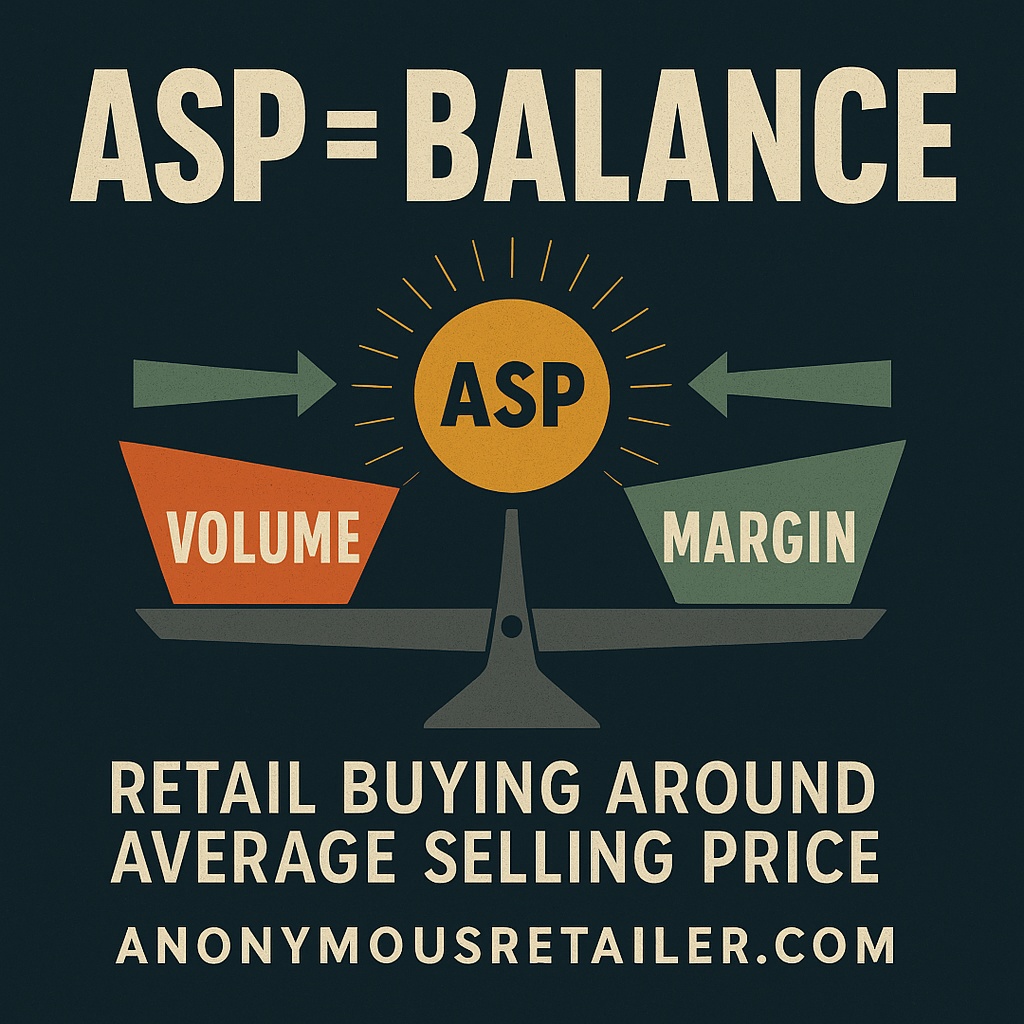
- Average Selling Price (ASP) Analysis: It’s crucial to understand where your customer is willing to transact by analyzing the average selling price. This helps guide your buying to align with customer expectations and ensures you’re investing in products that match their spending habits.
- High-Volume Zones and Inventory Flow: Understanding your peak sales periods and how your inventory moves during these times is essential for planning purchases. This ensures you have enough stock to meet demand without over-ordering.
[ ] Identify Data-Driven Buying Decisions:
Use historical sales data and customer preferences to guide your purchasing decisions.
[ ] Analyze Average Selling Price (ASP):
Understand where your customers are willing to transact and adjust your buying accordingly.
[ ] Assess Inventory Flow:
Identify high-volume sales zones and ensure inventory aligns with customer demand.
[ ] Reflective Question:
“Are you using data and insights to guide your buying strategy?”
2. Marketing That Amplifies Your Assortment Story
- Align Your Messaging with the Buy: Your marketing campaigns should highlight the key products you’ve invested in, ensuring they’re front and center in all messaging. Consistency across all channels is key to reinforcing your product offerings.
- Create Consistency Across Channels: Use email marketing, social media, in-store displays, and other channels to create a cohesive story around your products. This helps customers understand why they need the items you’ve stocked.
- Use Data to Optimize Campaigns: Just like with buying, data can inform your marketing strategies. Track the performance of each campaign and adjust the messaging or channels based on customer engagement.
[ ] Align Marketing with Your Assortment:
Ensure your marketing message amplifies the products you’ve invested in.
[ ] Craft Consistent Messaging Across All Channels:
Use emails, social media, and in-store displays to tell a cohesive product story.
[ ] Optimize Campaigns Based on Data:
Track campaign performance and adjust messaging for improved engagement.
[ ] Reflective Question:
“Are your marketing efforts amplifying your product assortment effectively?”
3. Selling: Optimizing Inventory for Conversion
With the right products and a strong marketing message in place, your next focus is on selling – making sure your inventory moves. Your store, whether online or physical, should be optimized for conversion, and your sales team should be prepared to actively sell down your assortment.
- Understand Your Inventory Positions: Train your team to know exactly what’s in stock and what’s moving slowly. This will help them focus on pushing certain products when necessary.
- Sell Down Your Assortment Strategically: Actively creating urgency through limited-time offers or exclusive deals can drive faster sales. When paired with strong marketing, this helps you move inventory efficiently and avoid carrying excess stock.
- Create Urgency with Promotions: Customers are more likely to act when they feel they might miss out. Flash sales or special discounts on slow-moving products can create that urgency.
- Keep Teams Informed: Your sales team should be in constant communication with marketing and inventory management. Well-informed teams can pivot sales strategies to highlight excess or high-priority items.
[ ] Know Your Inventory Positions:
Train your sales team to understand current stock levels and product priorities.
[ ] Strategically Sell Down Inventory:
Use urgency and promotions to move slow-selling items quickly.
[ ] Create Urgency with Limited-Time Offers:
Drive conversion through exclusive deals and time-sensitive promotions.
[ ] Keep Teams Informed:
Ensure your marketing, sales, and inventory teams are aligned on stock levels and priorities.
[ ] Reflective Question:
“Is your sales team actively selling down inventory and creating urgency for customers?”
4. The Power of Alignment: Bringing It All Together
Now that we’ve explored the individual pillars of retail success, let’s look at why it’s crucial to keep buying, marketing, and selling in alignment.
- Why Aligning These Pillars is Crucial: A seamless customer experience comes from synergy between your buying, marketing, and selling strategies. Misalignment, such as marketing products that aren’t available or pushing inventory that doesn’t match the customer’s needs, can lead to frustration and lost sales.
- How Misalignment Hurts Your Business: Imagine promoting a product only to find it out of stock or buying items that don’t resonate with your customers – both scenarios result in lost revenue and customer dissatisfaction.
- How to Create Harmony in the Trifecta: Ensure your product assortments match your marketing campaigns and that your sales teams are well-versed in the key products. Constant communication across departments can help prevent misalignment and optimize the customer journey.
[ ] Ensure Alignment Between Buying, Marketing, and Selling:
Regularly communicate across departments to ensure a seamless customer experience.
[ ] Avoid Misalignment:
Make sure you’re marketing products that are available and in demand.
[ ] Create a Harmonious Strategy:
Align your product assortments, marketing messages, and sales efforts to drive conversions.
[ ] Reflective Question:
“Are your buying, marketing, and selling strategies working together in harmony?”
5 Actionable Tips for Mastering Retail Buying, Marketing, and Selling
- Use Data to Inform Buying Decisions
Analyze historical sales data and customer preferences to inform your buying strategy. This helps ensure you’re purchasing the right products for your audience. - Align Marketing with Product Assortments
Craft marketing campaigns that highlight the key products in your inventory, ensuring your messaging is consistent across all channels and reinforces your buying decisions. - Create Urgency with Promotions
To strategically sell down inventory, offer limited-time deals or exclusive offers on specific products to encourage customers to act quickly. - Keep Your Sales Team Informed
Train your sales team on current inventory positions and any active promotions, so they can effectively engage with customers and push the right products. - Review and Adjust Regularly
Regularly assess your buying, marketing, and selling performance to ensure all three are in alignment. Adjust strategies based on sales data and market shifts.
Conclusion: Setting the Stage for Mastering the Retail Trifecta
Mastering the retail trifecta of buying, marketing, and selling is all about alignment. When these three pillars work together, you create a continuous cycle of growth and profitability. Buying sets the stage for marketing, marketing amplifies the product story, and selling ensures your inventory moves efficiently.
By aligning your strategies:
- Buying focuses on selecting the right products for your customers.
- Marketing drives attention to these products, engaging your audience.
- Selling ensures you convert that attention into sales and optimize inventory flow.
Now, it’s time to take action. How will you implement these strategies in your business? Review your current processes, make adjustments, and start aligning your buying, marketing, and selling strategies to create a seamless experience for your customers.
Subscribe to Master Retail Strategy Updates for more insights and actionable tips, and take the next step toward mastering the retail trifecta and boosting your profitability. new heights.