TL;DR
Your retail volume drivers — the everyday staples like black leggings, #4 coffee filters, or kids’ bikes — quietly power sell-through, margins, and customer trust. They’re not flashy, but they’re the backbone of your assortment. In the Marketing leg of the Retail Trifecta, feeding these workhorse SKUs is just as critical as telling product stories, guiding average selling price, and owning your marketing space. Together, the four pivots create a flowing strategy that builds a real market for your assortment.
Introduction
Everyone loves the hero buy — the product that turns heads, drives hype, and feels like a win. But it’s your volume drivers that quietly keep the lights on. They’re not glamorous, but they move every day, compound margin dollars, and keep your sell-through steady. When they’re missing, momentum stalls. In the Marketing leg of the Retail Trifecta, feeding your volume drivers is what keeps the entire strategy alive.
Recap of the First Three Marketing Pivots
Turning Assortment Into Stories
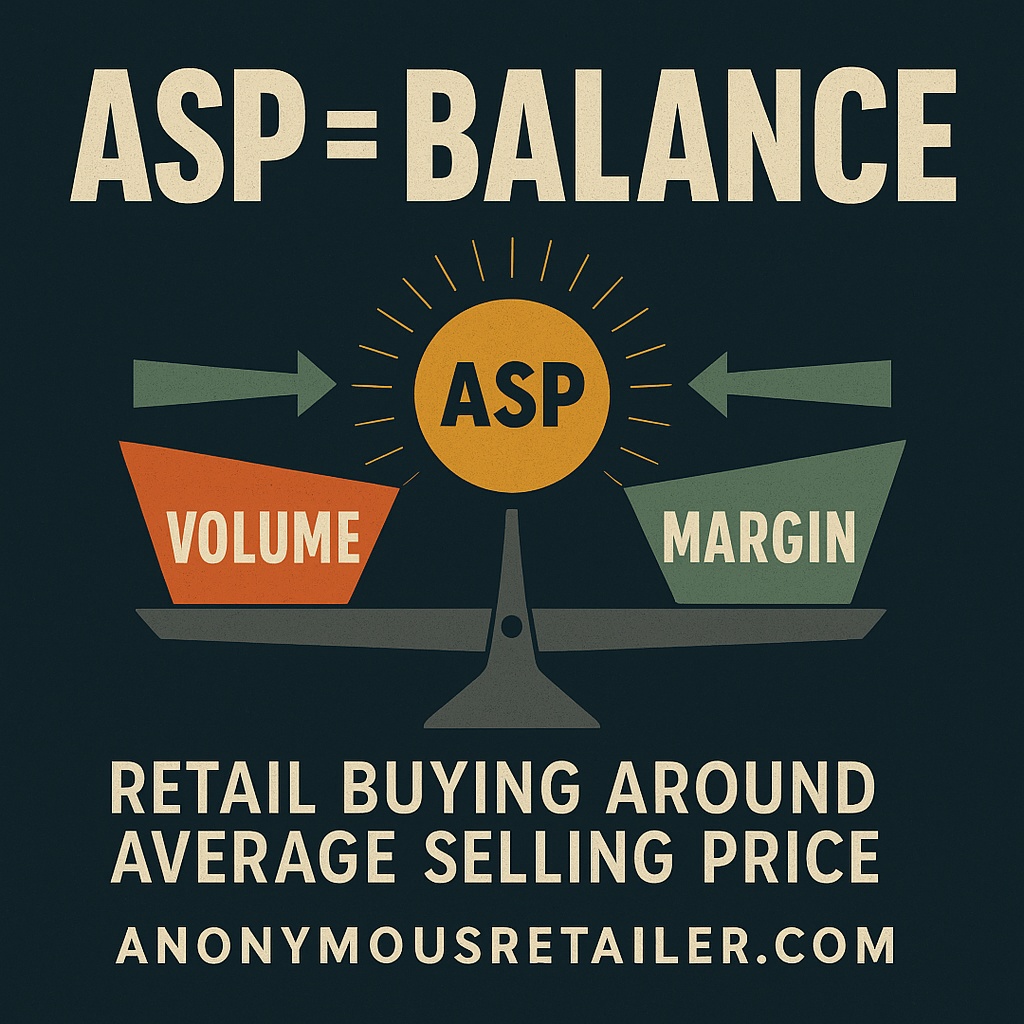
Marketing Around Average Selling Price
Those stories build confidence and guide shoppers through your price ladder. Effective marketing elevates perception, helping customers feel comfortable trading up within your assortment instead of away from it.
Owning Your Marketing Space
Together, these three pivots give your marketing dexterity. Storytelling creates relevance, average selling price positioning creates upward motion, and owning your space creates amplification. But without the next pivot, the current fades.
Feeding Your Retail Volume Drivers
What They Are
Volume drivers are the staples your customers expect every visit.
- In a clothing boutique: black leggings, core denim, neutral cardigans, and staple tees.
- In a coffee equipment store: #4 cone filters, cleaning tablets, descaler, paper filter packs, entry-price pour-over drippers, basic scale/timers, replacement gaskets and baskets.
- In sporting goods or outdoor: kids’ bikes, refillable water bottles, hiking socks, and mid-tier helmets.
Every specialty retailer has them. They just take different forms depending on the business model.
Why They Matter
- Trust and Reliability: If a store can’t keep its everyday staples on the shelf, why would a shopper trust the higher-end pieces?
- Traffic Drivers: These products are the reason customers pop in on a Wednesday, not just during a weekend sale.
- Margin Compounding: The math adds up faster than you think.
Margin Math Example
- Clothing Boutique
- Volume Driver: $39 staple tee at 55% margin selling 150× in a season = $3,217 margin dollars
- Hero Item: $200 jacket at 50% margin selling 30× in a season = $3,000 margin dollars
- Coffee Equipment Store
- Volume Driver: $15 metal coffee filter at 40% margin selling 100× in a season = $600 margin dollars
- Hero Item: $120 premium grinder at 50% margin selling 10× in a season = $600 margin dollars
Takeaway: Steady basics stack margin dollars at scale — often equaling or outpacing the return of a single “hero” item. One’s a bet. The other’s insurance.
Why They Need Marketing Support
Volume drivers don’t shout for attention. Left alone, they disappear into the background. But go too far the other way — plaster them on every promo — and customers tune out.
The sweet spot is steady visibility: just enough to remind customers you’ve always got their back. Reliability sells. Reliability keeps people coming back. Skip them in your marketing story, and you’re betting the whole shop on your “hero” products. That’s not a strategy. That’s gambling.
How All Four Pivots Flow Together
The Marketing leg of the Retail Trifecta is not a rigid ladder; it’s a current where each pivot flows into the next:
- Storytelling gives products a voice.
- Average selling price strategy guides those stories upward.
- Owning your marketing space amplifies the conversation.
- Feeding volume drivers sustains reliability and trust.
- That reliability itself becomes a story, restarting the cycle.
Marketing can only amplify what Buying set in motion. If the Buying leg hasn’t planned depth and replenishment, the Marketing leg has nothing to work with. The Trifecta works because each part sets the conditions for the next.
This isn’t about choosing channels or chasing tactics — it’s about how to think and flow strategy. The four pivots create movement between inspiration and reliability, between growth and stability, between bold bets and dependable anchors.
Strategic Role of Volume Drivers in the Marketing Flow
- They are not flashy, but they are foundational.
- They provide reassurance that your assortment strategy is balanced.
- They are best when layered into broader narratives rather than isolated.
- They serve as a credibility anchor. Without them, the rest of your marketing feels hollow.
Retailers should ask themselves: Am I keeping my retail volume drivers visible enough to anchor the rest of my marketing story?
Retail Therapy Insight
Sexy sells headlines. Staples pay the bills. You can chase hype all day, but if you can’t deliver the everyday, you’re just noise in the market.
Conclusion
With the four pivots in play — assortment stories, average selling price, owned marketing space, and volume drivers — you now have a Marketing leg that’s alive, adaptable, and in sync with the rest of your Trifecta strategy. Each pivot layers and flows into the next, creating a true market for your assortment instead of just reacting to one.
But strategy doesn’t stop with theory. It lives in how you execute.
Ask yourself — how healthy is your Marketing leg of the Trifecta strategy?
- Are you telling consistent product stories that build connection?
- Is your pricing strategy guiding customers confidently upward?
- Are you owning your marketing space instead of renting attention?
- Are your volume drivers fed, visible, and trusted to carry the load?
If one leg is weak, the current breaks — and your flow stalls. The goal isn’t perfection, it’s motion. Keep your strategy fluid, your message consistent, and your staples visible.
Retail Therapy Challenge
Retail Therapy isn’t about buzzwords — it’s about better thinking.
If this post hit home, share it with another retailer who needs to hear it.
And subscribe to AnonymousRetailer.com for more Retail Therapy for Retailers — real strategies to keep your business flowing, your margins healthy, and your story loud enough to sell through.
Frequently Asked Questions About Retail Volume Drivers
Retail volume drivers are the everyday workhorse products that consistently sell through and carry your margin goals. They are staples customers expect to find on every visit — from wardrobe basics to consumables that never stop turning.
Volume drivers provide stability for a specialty retail business. They build customer trust, drive repeat traffic, and compound margin dollars through velocity. Without them, your assortment feels unreliable and your bigger marketing stories lose credibility.
In a retail assortment strategy, volume drivers act as the foundation. They balance riskier buys, anchor price perception, and keep cash flow steady. This allows retailers to experiment with hero products or seasonal bets without jeopardizing financial health.
Even though they sell consistently, retail volume drivers need marketing support to stay visible and relevant. Left invisible, they fade into the background. Over-discounted, they lose value. Strategic marketing ensures they are woven into stories, ASP pushes, and your owned marketing space without fatigue.
Volume drivers build the trust and confidence that allow customers to climb your price ladder. When shoppers know they can rely on your basics, they’re more comfortable trading up to higher ASP items that drive incremental margin.
In the Retail Trifecta framework: Buying ensures volume drivers are in stock, Marketing keeps them relevant and trustworthy, and Selling capitalizes on their reliability to drive attachment sales. Together, they keep your strategy flowing between inspiration and dependability.