TL;DR
Retail growth doesn’t start with upgrades. It starts when you maximize retail resources—inventory, space, tools, and execution. Progress comes from movement, not appearance.
A Quick Story Before We Get Tactical
I’m a few days late saying it, but Happy New Year.
I want to say thank you. The feedback on the first Anonymous Retailer video has been overwhelming—in the best way. The messages, shares, and conversations confirmed something important: this was the right next step.
I did have one good friend reach out and bust my chops about my green curtains in the background.
No offense taken. This person has been along for the Anonymous Retailer journey for a long time and genuinely wants to see it succeed. They also have a sharper eye for detail than I do—fair assessment.
But the exchange got me thinking about something bigger.
I felt this was a good note to start the year on.
Working With What’s Actually Around You
The room I record in pulls double duty. It’s my day-job office and my creative space. This is where I’ve played with my kids, built websites, sold skateboards, written almost every Anonymous Retailer blog post, made music, and done a lot more in between.
There’s a drum machine back there, a bass guitar, my messy desk, skateboard decks, and art covering the walls.
If I showed you the recording setup, you’d probably laugh.
An old eBay shoebox sitting on top of a rattan basket.
Laptop and webcam stacked just high enough to hit eye level.
A mic plugged straight into the computer.
That’s it.
I’m not sharing this so you can picture the room. I’m sharing it because it reflects a core truth in retail and business:
You have to build on a foundation of utilizing and maximizing the resources around you.
To maximize retail resources means fully utilizing the inventory, space, tools, and systems already in place before adding anything new.
The Same Rule Retailers Live By Every Day
Retailers don’t get the luxury of waiting for perfect conditions.
You can’t ignore inventory sitting on the floor.
You can’t pretend space doesn’t matter.
You can’t buy your way out of poor execution.
You have to maximize:
- the website you already have in place
- the tools you’re already paying for
- the inventory already sitting on your floor
- the space you’re already working with
That’s not constraint. That’s retail resource optimization, and you absolutely have to max them out.
Inventory Is Not Decoration — It’s a Core Retail Resource
Inventory is the most visible retail resource—and the most commonly underutilized.
If product is sitting still, capital is sitting still. When capital sits still, everything else tightens: cash flow, flexibility, confidence.
Inventory utilization in retail requires intention. You have to understand what’s on the floor, position it correctly, talk about it with confidence, and move it with purpose.
Inventory isn’t there to look good.
It’s there to work.
The Core Retail Cadence: Dent, Re-Up, Repeat
The core tenant in retail is simple:
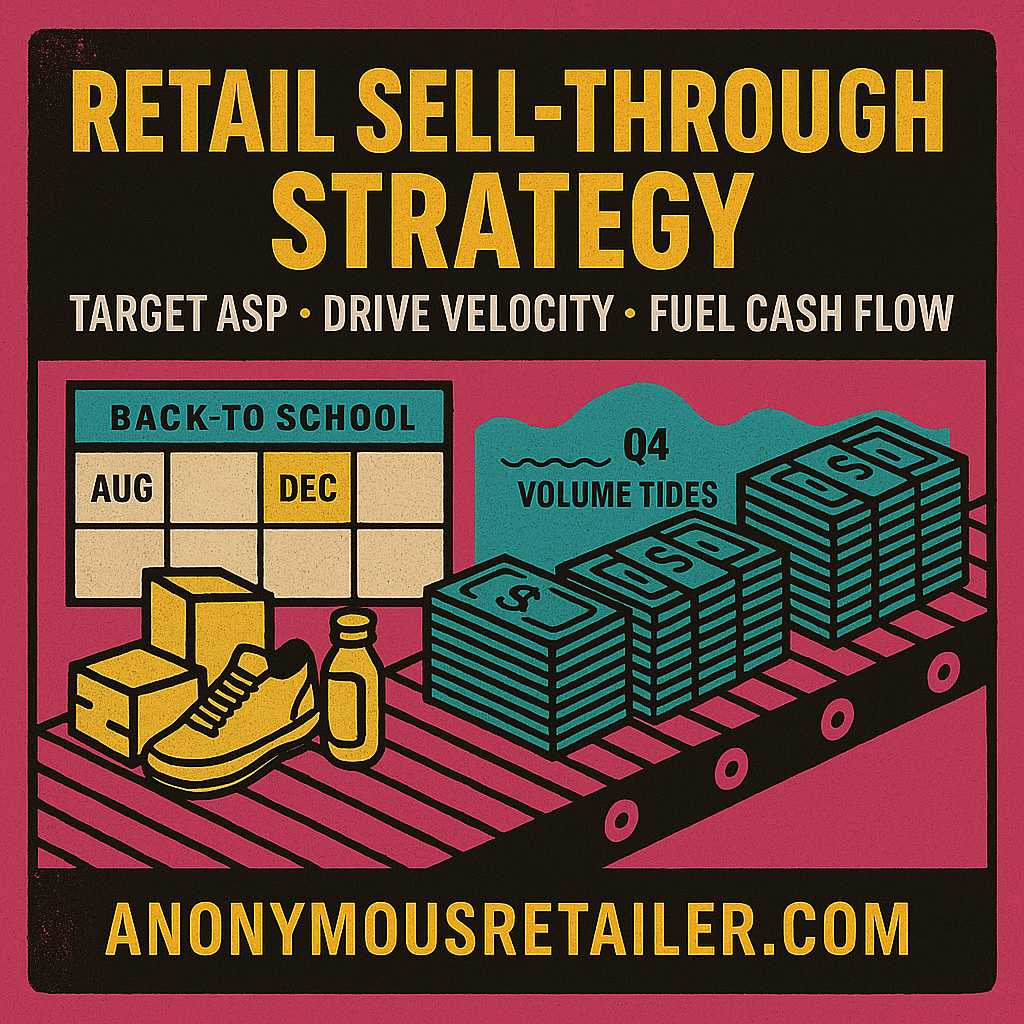
Put a dent in your inventory, re-up, and do it again—multiple times throughout the year.
That cadence is the business.
Sell-through creates cash flow.
Cash flow creates options.
Options create momentum.
When that rhythm breaks, everything backs up.
Why Passivity Kills Retail Resource Optimization
When pressure shows up, weak decisions reach for “more”:
- more product
- more spend
- more tools
- more space
Strong operators pause and ask a better question:
How do I get more out of what’s already here?
The same applies to content, marketing, and systems. I didn’t rent a studio. I didn’t buy a bunch of gear. I followed the signal. Blog content led to conversation. Conversation led to video. Video led to engagement.
Momentum came from execution—not upgrades.
Progress Over Appearance
And yes—the green curtains are staying.
When you see our videos come across, understand it’s not about the space. It’s about the progress.
When you see your floor clear, it’s not about space either. It’s about progress.
Cleared racks, open walls, lighter back rooms—that’s movement. That’s proof that specialty retail operations are doing what they’re supposed to do.
Retail rewards motion, not perfection.
The Takeaway
What matters isn’t how polished it looks.
What matters is whether it’s being used.
Retailers who maximize retail resources don’t wait for ideal conditions. They move what they have, learn from the floor, and let execution fund the next step.
Maximizing retail resources today is what creates optionality tomorrow—better buys, smarter growth, and fewer forced decisions.
Maximize what’s already around you.
Then decide what’s next.
That’s retail.
That’s ownership.
That’s progress.
And honestly—this felt like a good note to start the year on.
If this resonates, make sure you subscribe to AnonymousRetailer.com to stay up to date on new blog posts, videos, and ideas we’ll be building throughout the year.
Key Takeaways
- Retail growth starts by maximizing retail resources—like inventory and space—rather than waiting for upgrades.
- Retailers must utilize existing inventory, tools, and space effectively to drive success.
- Movement generates progress; passivity leads to poor decisions that stall growth.
- Emphasizing execution over appearance ensures retailers gain cash flow and options.
- Maximizing retail resources today sets the stage for smarter growth and fewer forced decisions in the future.
Frequently Asked Questions About Maximizing Retail Resources
Maximizing retail resources means fully utilizing the inventory, space, tools, and systems you already have in place before adding anything new. Instead of chasing upgrades, retailers focus on execution—moving inventory, activating the floor, and making existing assets work harder to drive sell-through and cash flow.
Adding inventory without first maximizing what’s already on the floor increases risk and ties up cash. When retailers prioritize sell-through and inventory movement, they create cash flow that funds smarter re-buys. Retail growth comes from repeated inventory turns—not from accumulation.
When inventory moves, capital is released. That cash flow creates flexibility—allowing retailers to re-order with confidence, adjust buys, and avoid forced markdowns. Maximizing retail resources keeps money circulating instead of sitting idle on racks or in back rooms.
Common signs include stagnant inventory, cluttered or underutilized floor space, reliance on constant markdowns, and a tendency to look for new tools or vendors instead of improving execution. Passivity toward existing inventory and systems is often the root issue.
The same principle applies to websites, marketing, staffing, and systems. Before redesigning a site, adding software, or expanding space, retailers should ensure current tools are being used effectively. Maximizing retail resources across all areas creates progress first—and optionality later.