
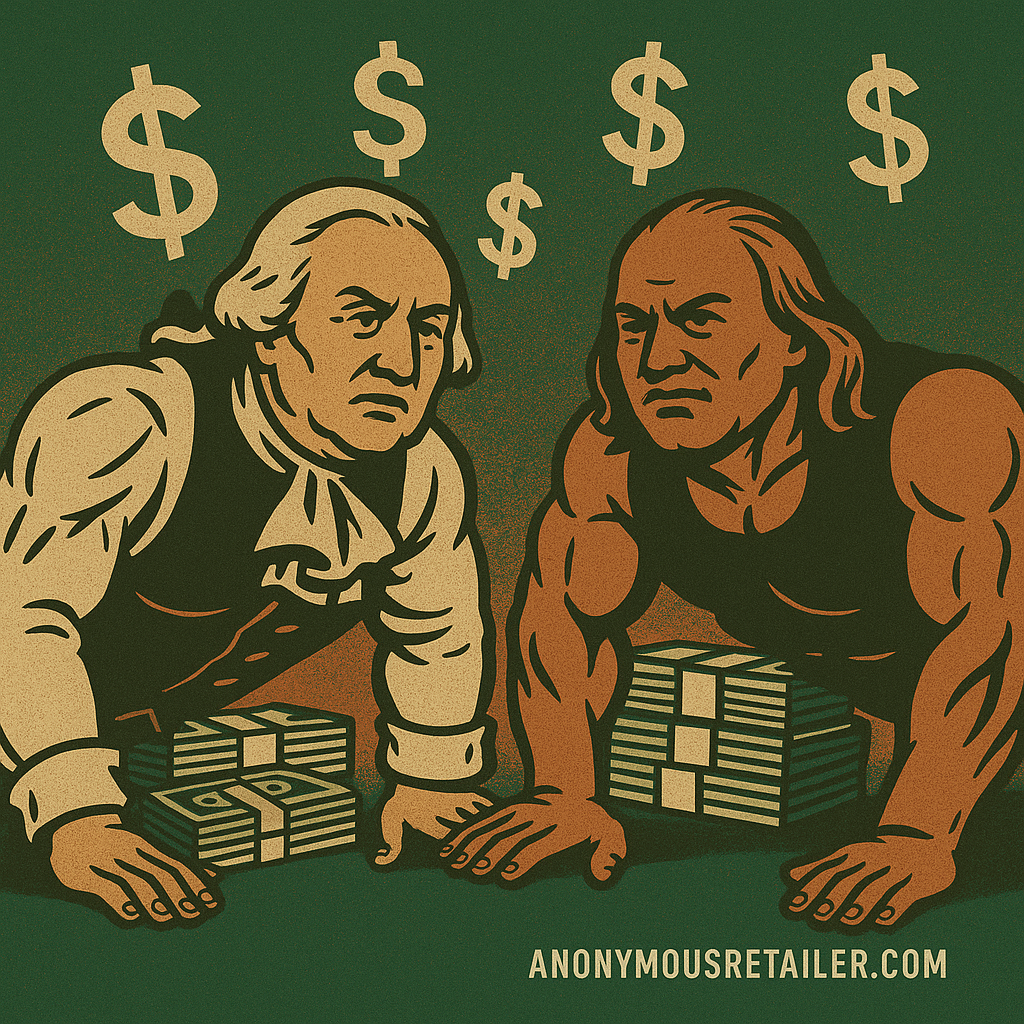
💥 When the Dollar’s Flexing, Your Store Feels It
Why a strong dollar matters for retailers goes far beyond Wall Street headlines—it directly impacts your buying power, product costs, and pricing strategy. When the U.S. dollar strengthens, it affects how much you pay for imported goods, how wholesalers price their products, and how your store competes on value. Even if you’re not importing directly, foreign exchange (FX) shifts ripple through your supply chain and shape your margins. In this post, we break down what a strong dollar really means—no fluff, no spin—just the real pros, cons, and the key indicators to watch.
✅ TL;DR – What Retailers Need to Know
A strong dollar makes imported goods cheaper in U.S. dollars.
Wholesalers may benefit from lower costs and pass savings downstream (but not always).
Domestic goods can look less competitive compared to lower-cost imports.
You can track the dollar’s strength using tools like the U.S. Dollar Index (DXY), USD/EUR charts, or Federal Reserve rate decisions.
FX trends impact your margin, assortment, and price positioning—even if you’re not importing directly.
💸 What a Strong Dollar Does to Import Prices
PROS:
Lower Cost of Goods: Foreign suppliers’ prices drop when converted into stronger USD.
Reduced Landed Costs: Freight, materials, and finished goods sourced internationally may all come in cheaper.
More for Less: Your purchasing power increases—more units per dollar.
CONS:
Delayed Impact: Not all suppliers adjust prices right away.
Short-Term Volatility: FX swings can reverse fast.
Currency Contract Gaps: Pricing in USD may miss FX benefits entirely.
🧾 What It Means for Wholesale Costs
PROS:
Distributor Savings: Wholesalers who import may reduce prices or offer better terms.
Inflation Relief: Strong dollar pressure can cool wholesale price increases.
CONS:
Lag in Price Drops: Suppliers may still be working through older, higher-cost inventory.
Domestic Pricing Stays Put: U.S.-sourced goods won’t reflect any currency-related cost drop.
🏪 What It Means for Your Store
PROS:
Assortment Opportunities: More affordable imported goods may mean broader selection.
Pricing Advantages: Lower import costs can affect retail pricing dynamics—even if you’re not the importer.
CONS:
Margin Pressure on U.S. Goods: Domestically produced items may become harder to price competitively.
Market Shifts: Currency strength can shake up the product landscape and brand competitiveness.

👉 Subscribe to the Anonymous Retailer newsletter and get smarter inventory, better strategy, and zero fluff. #RetailNewsletter #InventoryStrategy #SpecialtyRetail #AnonymousRetailer
📊 How to Track the Dollar’s Strength (Without Being a Forex Trader)
Knowing where the dollar stands helps explain changes in wholesale pricing and cost of goods. Here’s how to keep it simple:
- U.S. Dollar Index (DXY)
Measures dollar strength against major currencies.
When DXY rises, the dollar is stronger. - Currency Pairs (e.g., USD/EUR)
Available on sites like Yahoo Finance, TradingView, or CNBC.
Watch how the dollar compares against currencies where your goods are produced. - Fed Policy & Interest Rates
Higher U.S. interest rates = stronger dollar.
Rate cuts or economic stimulus = weaker dollar. - Other Indicators
Treasury Yields: Higher yields attract capital, supporting the dollar.
Economic Reports: Employment, CPI, and trade balance data can all influence strength.
🧠 Summary Table
| Category | Pros of a Strong Dollar | Cons of a Strong Dollar |
|---|---|---|
| Import Prices | Lower acquisition cost, stronger purchasing power | FX volatility, price lag, currency lock-ins |
| Wholesale | Potential for stabilized or reduced pricing | Not all vendors pass on FX savings |
| Your Store | More value per dollar, expanded product availability | U.S. goods may look expensive by comparison |
📢 Closing Thought: The Dollar’s Power Is Global—But It Lands Right in Your Backroom
Even if you’re not importing containers yourself, the strength of the U.S. dollar affects how products are priced, which SKUs make the cut, and how your shelf margin plays out. Tracking FX trends helps you understand the why behind the numbers—not just the what.
💬 Like this breakdown? Share it with a fellow retailer who needs to know what’s shaping their buy sheet.
📰 Want more insights like this? Subscribe to the Anonymous Retailer newsletter for weekly hits of strategy, market shifts, and margin-saving tips—straight from the shop floor.
❓Frequently Asked Questions About the Strong Dollar & Retail
A strong dollar means U.S. currency has more purchasing power relative to other currencies. For retailers, this often results in lower costs on imported goods and materials, which can improve gross margin or offer flexibility in pricing and assortment.
When wholesalers import goods, a strong dollar can reduce their costs. While some may pass on those savings to retailers, others may not, especially if they’re holding older inventory purchased at a weaker dollar rate.
If imported alternatives become cheaper due to a strong dollar, U.S.-made products can seem more expensive in comparison—even if their pricing hasn’t changed. This can shift consumer perception and affect sales mix on the floor.
The U.S. Dollar Index (DXY) is the most common gauge. A rising DXY indicates a stronger dollar. You can also watch currency pairings like USD/EUR or USD/JPY on sites like Yahoo Finance or TradingView.
Not always. Other factors like tariffs, freight, and supplier pricing strategies can offset FX advantages. Plus, pricing changes may take time to filter through the supply chain.
No. Even if you buy from domestic wholesalers, their sourcing and pricing are often influenced by global currency trends. The ripple effect still impacts your cost of goods and margins.


