Introduction: In the realm of specialty retail, achieving inventory optimization is paramount for financial success. By strategically managing inventory, retailers can drive profitability, improve cash flow, and enhance overall business performance.
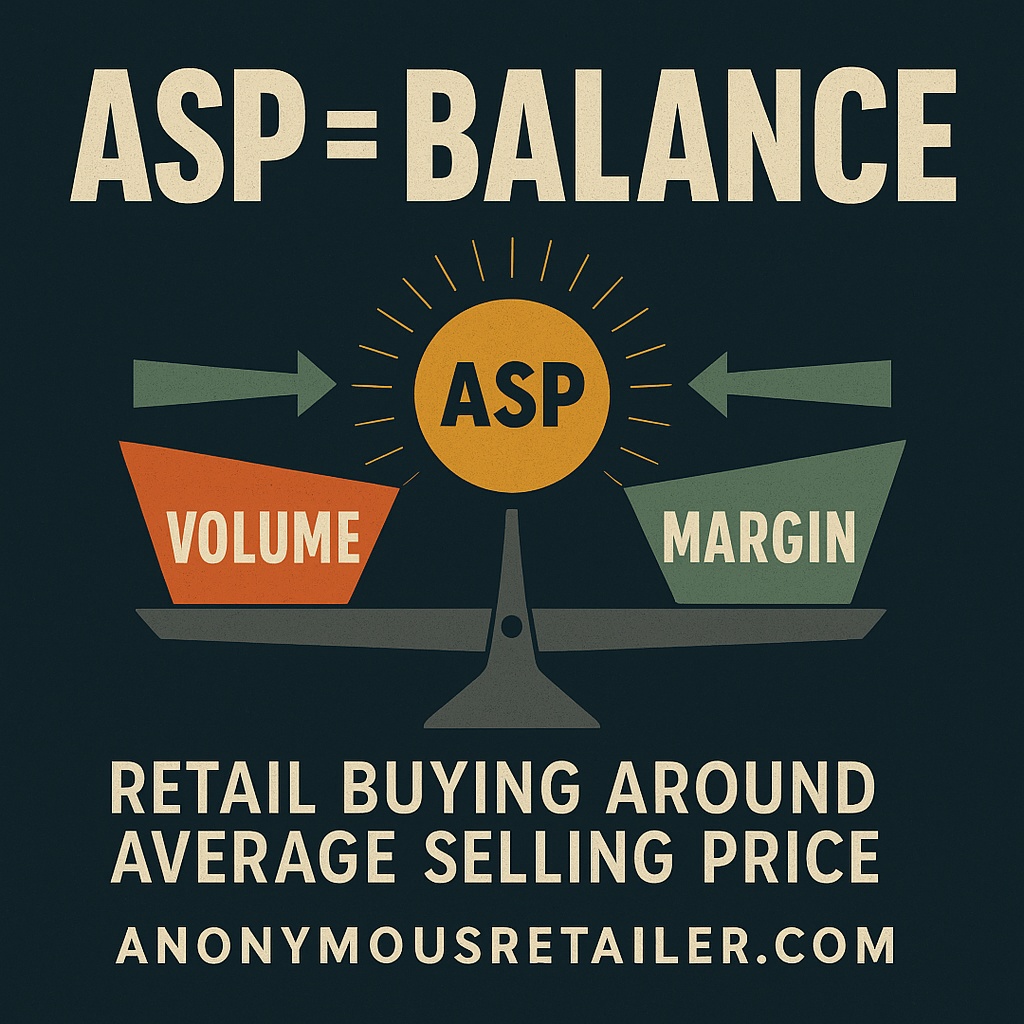
Understanding Inventory Turnover and Margin Realization: Before diving into strategies, it’s essential to grasp the concepts of inventory turnover and margin realization. Inventory turnover, or the rate at which merchandise is sold and replaced, directly impacts financial outcomes in retail. Similarly, margin realization, focusing on maximizing profit margins per sale, is crucial for optimizing profitability.
Analyzing Historical Sales Data and Market Trends: Analyzing historical sales data and market trends is foundational to effective inventory optimization. By understanding past sales performance and consumer behavior, retailers can make informed decisions about inventory management. This includes stocking the right products, adjusting inventory levels, and staying ahead of market trends to meet customer demand.
Developing Customized Inventory Plans: Customized inventory plans tailored to the specific needs and goals of the business are instrumental in achieving inventory optimization. By considering factors such as seasonal fluctuations, niche market demands, and competitive pressures, retailers can optimize inventory levels and ensure maximum financial returns.
Maximizing Financial Returns Through Proactive Management: Proactive inventory management strategies are essential for driving financial success in retail. Retailers can optimize inventory turnover, maximize margin realization, and minimize holding costs through various proactive measures. Examples include implementing just-in-time inventory practices and negotiating favorable terms with suppliers.
Implementing Effective Inventory Practices: Implementing effective inventory practices is crucial for sustained financial success in retail. Retailers should maintain accurate inventory records, conduct regular audits, and leverage technology to streamline inventory management processes. Additionally, investing in staff training ensures that employees understand the importance of inventory control.
Conclusion: In conclusion, achieving inventory optimization is vital for financial success in specialty retail. By understanding and leveraging inventory turnover, margin realization, and market trends, developing customized inventory plans, implementing proactive management strategies, and adopting effective inventory practices, retailers can maximize financial returns and thrive in a competitive retail landscape.
5 Steps to Optimize Inventory for Retail Success
- Analyze Historical Sales Data and Market Trends:
- Summary: Review past sales data and monitor market trends to understand consumer behavior and anticipate demand.
- Action: Use analytics tools to analyze historical sales patterns and track market trends regularly.
- Develop Customized Inventory Plans:
- Summary: Tailor inventory plans to the unique needs and goals of the business to optimize inventory levels and ensure maximum financial returns.
- Action: Consider factors like seasonal fluctuations, niche market demands, and competitive pressures when designing inventory strategies.
- Implement Proactive Management Strategies:
- Summary: Take proactive measures to optimize inventory turnover, maximize margin realization, and minimize holding costs.
- Action: Adopt just-in-time inventory practices, negotiate favorable terms with suppliers, and leverage technology for efficient inventory management.
- Maintain Effective Inventory Practices:
- Summary: Establish and maintain effective inventory practices to streamline processes, ensure accuracy, and optimize inventory control.
- Action: Maintain accurate inventory records, conduct regular audits, invest in technology, and provide staff training for effective inventory management.
- Monitor and Adjust:
- Summary: Continuously monitor inventory performance and adjust strategies based on changing market conditions and business goals.
- Action: Regularly review inventory metrics, track sales performance, and adjust inventory plans and management strategies accordingly to maintain financial success.