Introduction
If your team is just “being available” on the sales floor, you’re already falling behind. Active selling in specialty retail isn’t just a technique—it’s a mindset. It means taking initiative, reading the customer, and building value through every interaction. Passive selling, on the other hand, is the silent profit killer—easy to overlook but devastating to your KPIs. In this guide, we’ll break down the differences, expose the hidden costs of passive behavior, and give you real-world tactics to create a high-performing, high-converting sales culture.
TL;DR (Quick Summary Box)
Active selling in specialty retail drives higher conversion, basket size, and customer loyalty. Passive selling may feel safe, but it quietly kills your sales floor momentum. Learn how to spot the difference, overcome resistance, and build a proactive sales culture that moves inventory and builds margin.
What Is Active Selling vs Passive Selling?
Active Selling in Specialty Retail
- Proactively engaging: Taking the first step builds momentum and trust.
- Challenge: Are your associates making the first move or waiting to be approached?
- Relevant recommendations: Aligning product suggestions with customer intent boosts relevance and sales.
- Challenge: Does your team know how to match product benefits to shopper needs?
- Feature-benefit education: Teaching customers the “why” behind a product increases purchase confidence.
- Challenge: Can your team confidently connect product features to lifestyle benefits?
- Cross/upselling: Increases basket size and helps the customer walk out with everything they need.
- Challenge: When was the last time your team practiced bundling strategies?
- Purposeful closing: Actively guiding the sale toward a decision drives conversion.
- Challenge: Are associates asking for the sale or simply hoping it happens?
Passive Selling in Retail
- Waiting for questions: Leaves opportunity on the table and places pressure on the shopper.
- Challenge: Is your sales team defaulting to a reactive posture?
- Minimal value communication: Weakens perceived expertise and store credibility.
- Challenge: Are your staff trained to add value beyond basic answers?
- No upsell attempts: Fails to maximize margin or meet the customer’s complete needs.
- Challenge: Are your team members missing margin-rich moments?
- Fear-driven avoidance: Rooted in rejection anxiety, leading to sales silence.
- Challenge: How often is fear mistaken for politeness on your floor?
- Letting customers walk unengaged: Guarantees lower conversion and poor brand memory.
- Challenge: How many missed connections happen daily?
🔍 Passive selling plays it safe—but safe doesn’t scale. Active selling builds trust, relevance, and results. Which one is your floor defaulting to?
The Hidden Cost of Passive Selling
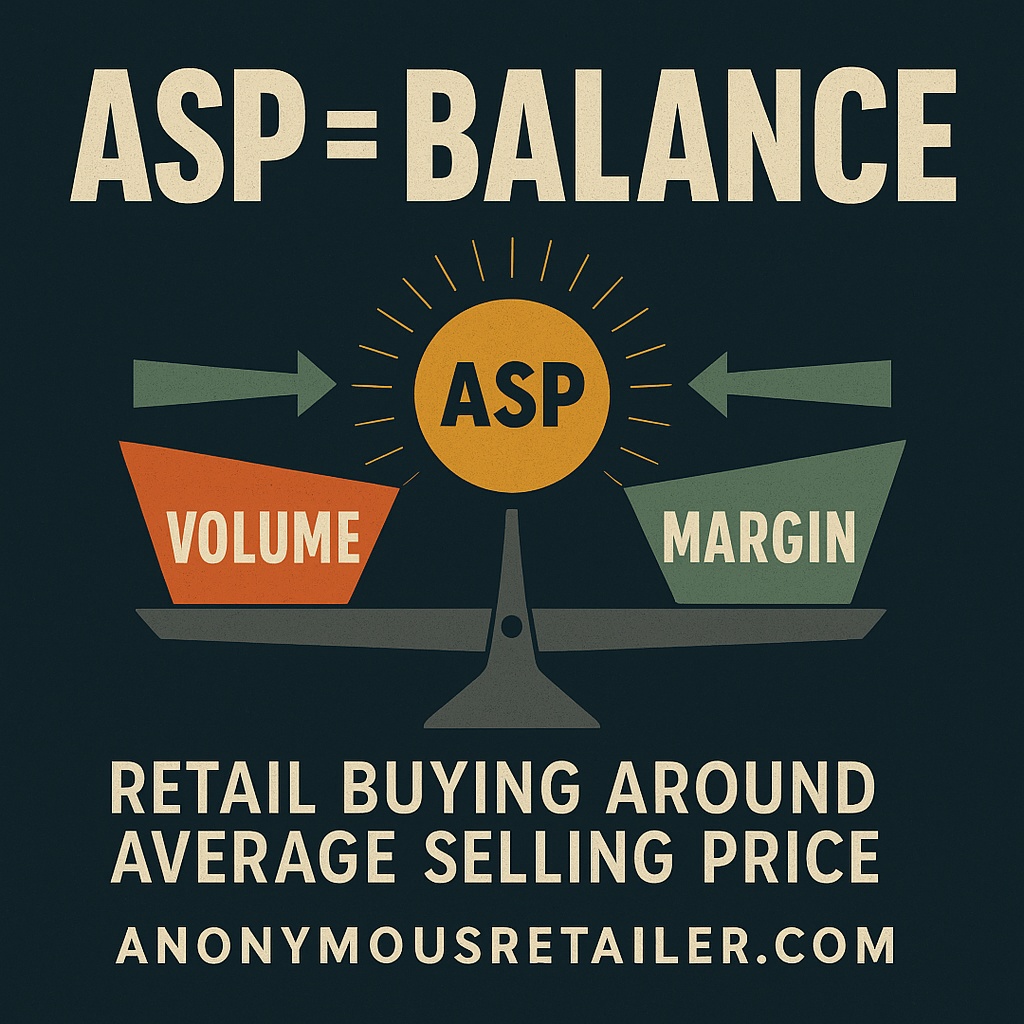
- Lower average ticket size (ASP): Passive selling leads to transactions that stop short of their potential.
- Stagnant units per transaction (UPT): Fewer items per sale means less movement of inventory.
- Poor turnover on key items: No push means no velocity for seasonal or margin-rich SKUs.
- Missed margin opportunities: Without recommendations, high-margin products remain untouched.
- Weakened trust: Customers leave feeling unsupported, not guided.
Challenge: Are your daily metrics reflecting the effects of passive habits?
💸 Every passive moment costs you—less margin, slower turns, weaker trust. The numbers are already telling you. Are you listening?
Why Active Selling Works in Specialty Retail
- Curated assortments need storytelling: Every SKU is handpicked—help customers understand why.
- Customers want expertise: You’re the guide; passive selling forces them to self-navigate.
- Upselling increases margins: Small efforts create big wins per transaction.
- Inventory moves with intent: When you spotlight, you sell.
- Sales floor energy improves: Purpose leads to pride.
Challenge: Are your sales conversations elevating the product experience—or just facilitating a transaction?
🚀 Specialty retail thrives on expertise and intention. Sell like your story depends on it—because it does.
Building a Culture of Active Selling
Training Focus Areas
- Open-ended questions: Opens conversations instead of ending them.
- Challenge: Does your team rely on yes/no questions or discovery-driven dialogue?
- Feature-to-need connection: Builds relevance, not just specs.
- Challenge: Can your team map product features to specific shopper use cases?
- Objection handling: Turns hesitation into education.
- Challenge: Are objections seen as obstacles or opportunities?
- Roleplaying: Prepares your team for real-world scenarios.
- Challenge: How often are they practicing, not just performing?
Store-Level Execution
- Assigned floor roles: Adds structure and accountability to traffic flow.
- Challenge: Do you run a zone strategy or hope for organic coverage?
- Daily goals: Keeps engagement intentional.
- Challenge: Does every shift have a sales focus?
- Real-time coaching: Makes feedback a habit, not an event.
- Challenge: Are you coaching in motion or waiting for reviews?
- Incentivize KPIs: What gets rewarded gets repeated.
- Challenge: Are you celebrating behaviors that drive ASP and UPT?
🧠 Training builds skills. Culture builds habits. If you want lasting change, lead from both sides.
Tactics to Shift Into Active Selling Mode
- 3-Second Rule: Engage within three seconds of customer contact.
- Challenge: Is your floor set up to support immediate engagement?
- FAB Statements: Connect Feature – Advantage – Benefit.
- Challenge: Can every team member deliver a 10-second FAB on key items?
- Add-on logic: If they buy X, suggest Y.
- Challenge: Is add-on thinking part of your sales DNA?
- Inventory priorities: Push what needs to move, not just what’s easy to sell.
- Challenge: Does your team know which SKUs are priorities today?
- Visual triggers: Use signage and demos to drive engagement.
- Challenge: Do your displays start conversations—or fade into the background?
⚙️ Selling is a system. These small moves drive big shifts—one habit, one tactic, one conversation at a time.
Example Scenario: Active vs Passive in Action
Passive Associate: Greets customer, stays behind the counter, only rings up items brought to the register.
Active Associate: Greets with intent, asks what the visit is for, introduces a new product, recommends an add-on, and invites the shopper back for an upcoming event.
Result: The active seller boosts the basket size by 30%, builds rapport, and sets the stage for a repeat visit.
Challenge: Which associate’s behavior is more common in your store—and why?
🧾 Same customer, different outcomes. One drives value. The other hopes for it.

It drains margin, kills momentum, and leaves your sales floor running on autopilot.
💥 The Selling Shift Spectrum lays out how to transform your team from reactive to revenue-driving. If you want a floor that connects, recommends, and closes with intent, this is the blueprint.
#RetailSales #ActiveSelling #SpecialtyRetail #RetailLeadership #SalesCoaching #RetailTrifecta #RetailMindset #AnonymousRetailer
Common Obstacles and Solutions
| Obstacle | Solution | Challenge Question |
|---|---|---|
| Fear of being pushy | Reframe as being helpful and curious | How are you training empathy without encouraging passivity? |
| Weak product knowledge | Run weekly product deep dives | What is your team’s confidence level on new arrivals? |
| Lack of confidence | Roleplay until it becomes muscle memory | Are reps more afraid of failing in training or in front of the customer? |
| Team isn’t bought in | Show results through KPI tracking | How are you proving the impact of active selling behaviors on your floor? |
🧱 Barriers are real—but they’re not immovable. Diagnose the friction, then coach the fix. |
Conclusion: Why This Shift Matters
Summary: Active selling fuels performance, purpose, and profitability. This section brings it all home, showing why even one small behavior change can start a culture shift. Active selling in specialty retail isn’t about being aggressive—it’s about being present. Every customer represents an opportunity to connect, educate, and serve. By leaving passive habits behind, you’ll see stronger metrics, better inventory velocity, and a sales team that thrives on purpose.
Challenge: What’s one small shift you can implement today to push your team from passive to proactive?
In Closing
Active selling in specialty retail is more than a method—it’s a mindset that transforms your floor from a transactional zone into a performance-driven space. Passive habits, while easy to overlook, create costly outcomes: missed opportunities, reduced margins, and disengaged teams. By clearly defining active selling, revealing the costs of passivity, and offering real-world solutions—from FAB statements to floor coaching—this guide equips you to take control of your store’s selling strategy. Start with one shift, track your results, and watch your team evolve from passive participants into engaged experts.
Visual Framework: The Selling Shift Spectrum
Use this framework to visualize your floor team’s mindset evolution:
Passive → Reactive → Intentional → Active
- Passive: Waits, hopes, avoids.
- Reactive: Responds but doesn’t lead.
- Intentional: Tries to guide but lacks consistency.
- Active: Leads with purpose, connects, and closes.
🎯 Ask your team: Where are we today—and where do we want to be by next quarter?
A: Use roleplays and daily practice. Start with greeting drills, feature-benefit training, and bundle-building games.
A: Track UPT, conversion rate, and ASP by associate. Review weekly with coaching, not criticism.
A: Flat UPT, low basket size, and high traffic with poor conversion are red flags.
A: Weekly bite-sized refreshers tied to inventory priorities work best.
A: Show them the numbers. Celebrate wins. Turn resistance into buy-in through small, visible wins.
Ready to lead a floor that sells with purpose? Subscribe to the Anonymous Retailer Newsletter and get weekly tactics to boost your UPT, ASP, and team confidence—one conversation at a time.